We check the ingredients when we start a recipe and take the pot off the shelf afterwards. But the vessel shapes the dish as much as the heat does. The same ingredients brown and dry out in a wide pan and stay wet and pale in a deep pot.
Two questions usually settle it: how much liquid should evaporate, and how much direct heat does the bottom need? The answers almost decide the width and depth of the pot.
The dish decides the vessel
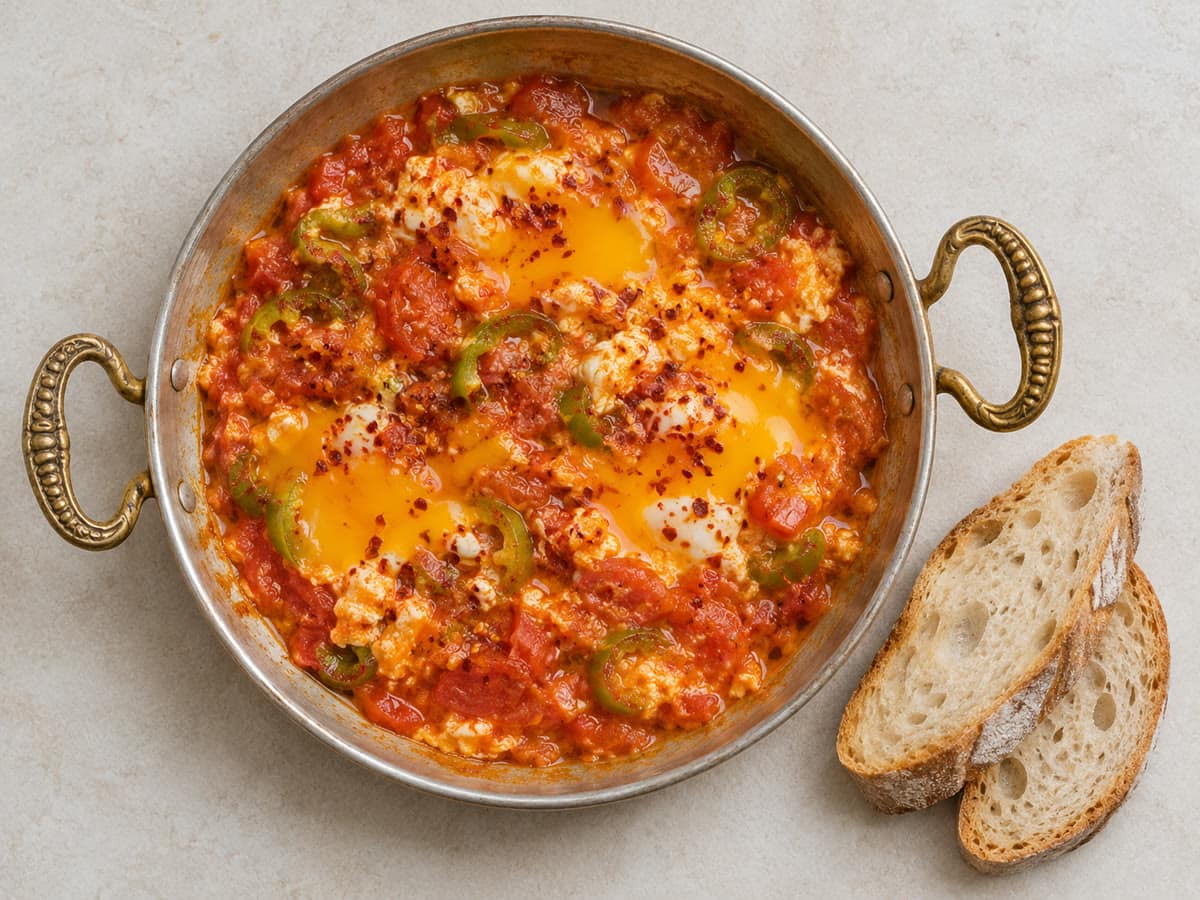
Dishes you stir and fold, such as scrambled eggs, menemen or a quick vegetable saute, want a wide, shallow pan. A broad surface keeps the food in a single layer, lets moisture escape and browns the edges. The same menemen in a narrow, deep pot simmers in its own liquid and turns pale.
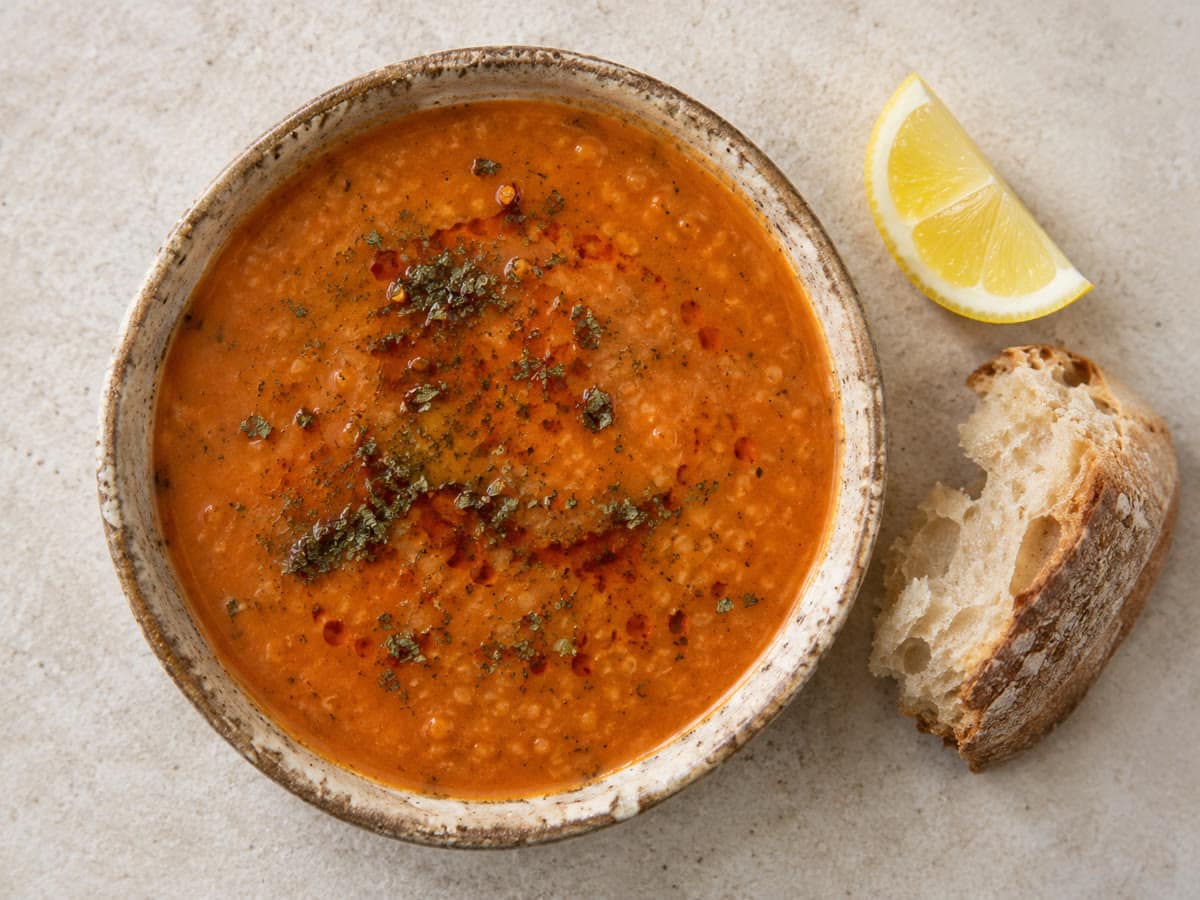
Soup, pilaf and legumes suit a deep pot with a heavy base. The thick bottom spreads heat and reduces scorching; the tall sides cut splashing and slow the loss of liquid. For pilaf, a narrower mouth lets less steam escape.
Lid or no lid
A lid traps steam. For soup, pilaf, beans and slow-cooked meat it keeps the liquid in and the heat even. Leaving the lid slightly ajar is the simplest way to calm a pot about to boil over.
For frying, menemen and anything you want to reduce, the lid works against you. Trapped steam stops the surface from browning and the vegetables turn soft and watery. Leave those pans open, and use a splatter screen if you only want to stop the oil from spitting.
Choosing a surface
Non-stick is easy for eggs, fish and low-fat cooking, and it cleans up quickly. It does not like high heat or metal utensils; once the coating is scratched it does its job poorly. It is not suited to hard searing.
Stainless steel suits any dish, takes high heat and lasts for years. It needs preheating to spread heat evenly; crack an egg into a cold pan and it will stick.
Cast iron suits steak, meatballs and thick vegetables. It holds heat, gives a good crust and can go into the oven. It is heavy, and it rusts if left damp, so dry and oil it after each use.
Enameled cookware keeps acidic dishes such as tomato or lemon away from bare metal, holds no colour or smell and spreads heat well. Enamel can chip with a hard knock or a sudden temperature change, so wooden or silicone tools are safer.
Match the size to the amount
Choose the pan for the quantity. Food in a pan should sit in a single layer; piled up, it steams instead of browning. A pot can also be too big: cook a small portion in a wide pot and the liquid disappears too fast, the base overheats and the food catches.
A simple rule: fill a pot no more than two-thirds. Leave room to stir and for the boil.
Burner and pan width
The base of the pan should roughly match the burner. A pan much wider than the flame heats its edges slowly; a much narrower one wastes part of the heat. If the flame spills past the base, the handle heats up too. Induction needs a magnetic base, and a flat bottom matters on ceramic and electric hobs.
Preheat stainless steel and cast iron before adding oil; on steel this reduces sticking, on cast iron it lets the heat spread. Add the oil to the hot pan, give it a few seconds, then add the food. Do not heat a non-stick pan empty.
Small habits that help
- Use wooden or silicone tools on non-stick, never metal or steel wool.
- Do not leave an empty pot on high heat.
- Do not plunge a hot pan into cold water; the shock is hard on both the pan and the enamel.
- Turn handles toward the back of the hob, away from where you walk and where children reach.