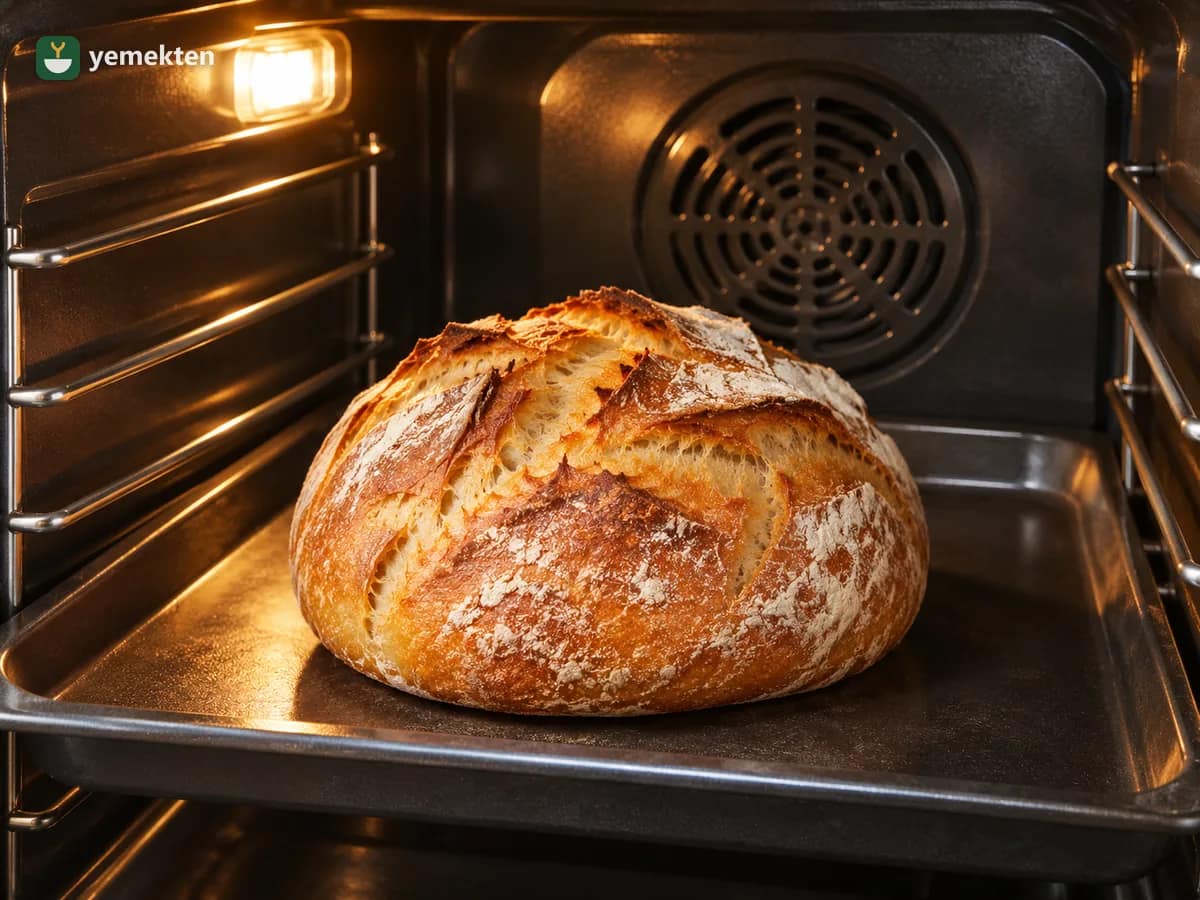
Your oven is probably the hardest-working appliance in your kitchen, yet most of us treat its dial as gospel. The truth is, home ovens are quirky. They cycle, they lie a little, and they have favourite corners. Understanding how yours behaves is one of the simplest ways to become a better cook. Here’s what I’ve learned from years of burnt edges and underdone centres.
Preheating: more than a formality
Recipes often say ‘preheat to 180°C’. That instruction is not just about warming the air. The walls, racks, and baking stone need time to absorb heat so they radiate it evenly. A oven that’s merely ‘up to temperature’ on the display may still be 20–30°C off inside. I usually allow an extra 10–15 minutes after the beep for cakes, bread, and anything that needs a reliable rise. For roasting vegetables or a quick traybake, a shorter warm-up is often fine.
The thermometer: your oven’s honest friend
An inexpensive oven thermometer is the best 5–10 euros you’ll spend. Hang it in the centre of the middle rack and compare its reading with your oven’s setting. You may find your oven runs hot or cold by 10–20°C. Once you know the offset, you can adjust recipes accordingly. I also use a quick-read probe thermometer for meat and bread, but the dial thermometer is for the oven itself. Check it every few months; they can drift.
- Place the thermometer in the middle of the oven, not near the door or back wall.
- Let it sit for at least 15 minutes before reading.
- Note the difference between the set temperature and the actual reading.
- Use that difference to adjust your dial – if it reads 190°C when set to 180°C, set it to 170°C next time.
Fan vs conventional: which one when?
Fan (convection) ovens move hot air around, so they cook faster and more evenly. As a rule of thumb, reduce the temperature by about 20°C and check a few minutes earlier than the recipe says. Conventional ovens rely on radiant heat from top and bottom elements; they’re gentler for cakes, soufflés, and anything that needs a stable rise. If a recipe doesn’t specify, I usually default to conventional for baking and fan for roasting.
Hot spots: every oven has them
Even a well-calibrated oven often has zones that run hotter – usually at the back, near the door, or over the element. To find yours, arrange slices of bread in a single layer on a baking tray and bake at 180°C for about 10 minutes. The darkest slices show the hot spots. Once you know them, rotate trays halfway through baking, or avoid placing delicate items in those areas. For even results, leave a little space between tins and the oven walls.
None of this needs to be fussy. A thermometer, a mental note of your oven’s quirks, and a habit of peeking early will do more for your cooking than any fancy setting. ovens are tools, not oracles – treat them as such and they’ll reward you.