The spice cabinet is usually a corner of the kitchen squeezed onto one shelf, full of half-opened packets. Yet the flavour of a dish often comes down to a few pinches. The list below covers ten spices and dried herbs to start with in a kitchen that leans Turkish. You do not need all of them at once. Buy as you cook, notice what you reach for, and the cabinet will take shape on its own.
There are no measurements here, because every dish has its own balance. The point is to know what each spice does. Taste and habit handle the rest.
The first ten, and what they do
- Black pepper: a sharp but rounded warmth that suits almost anything; it is the last touch on soup, meatballs and salad.
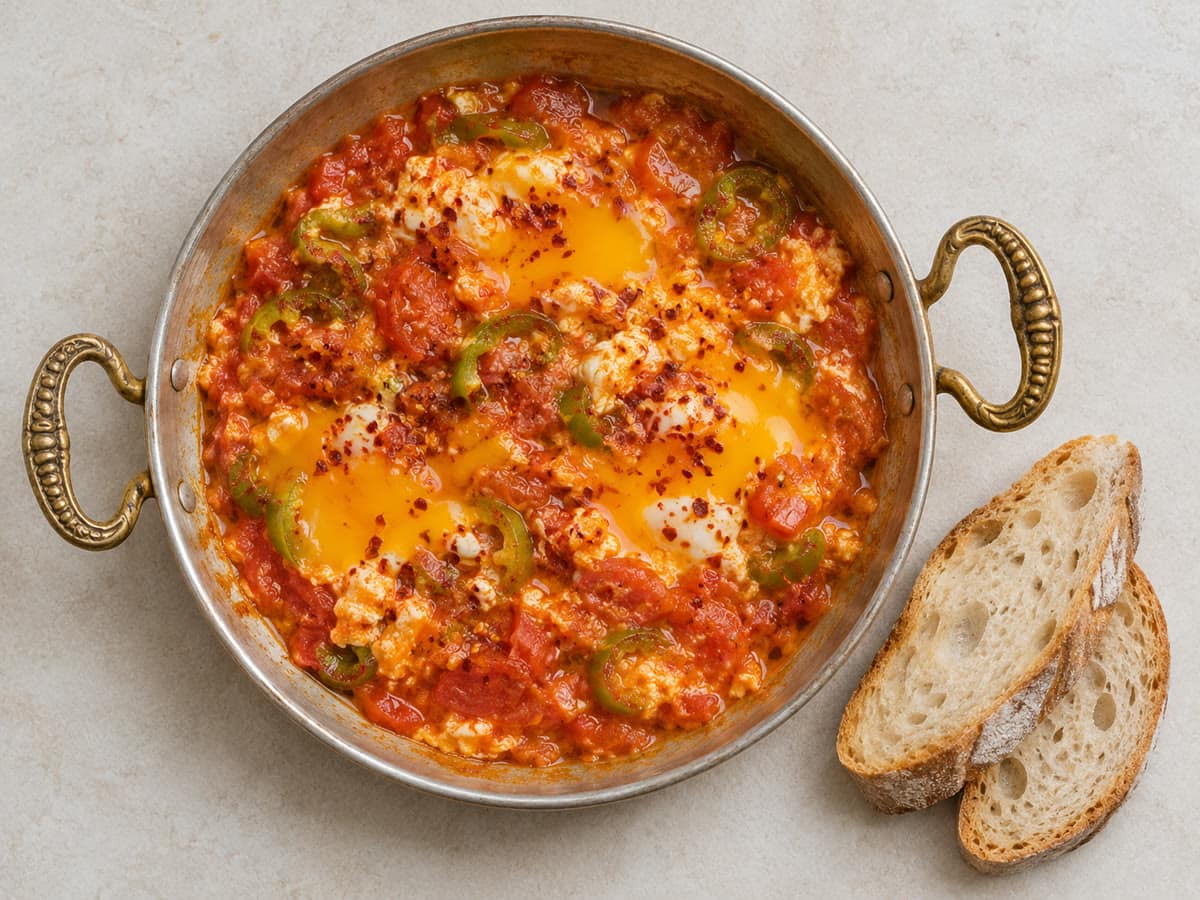
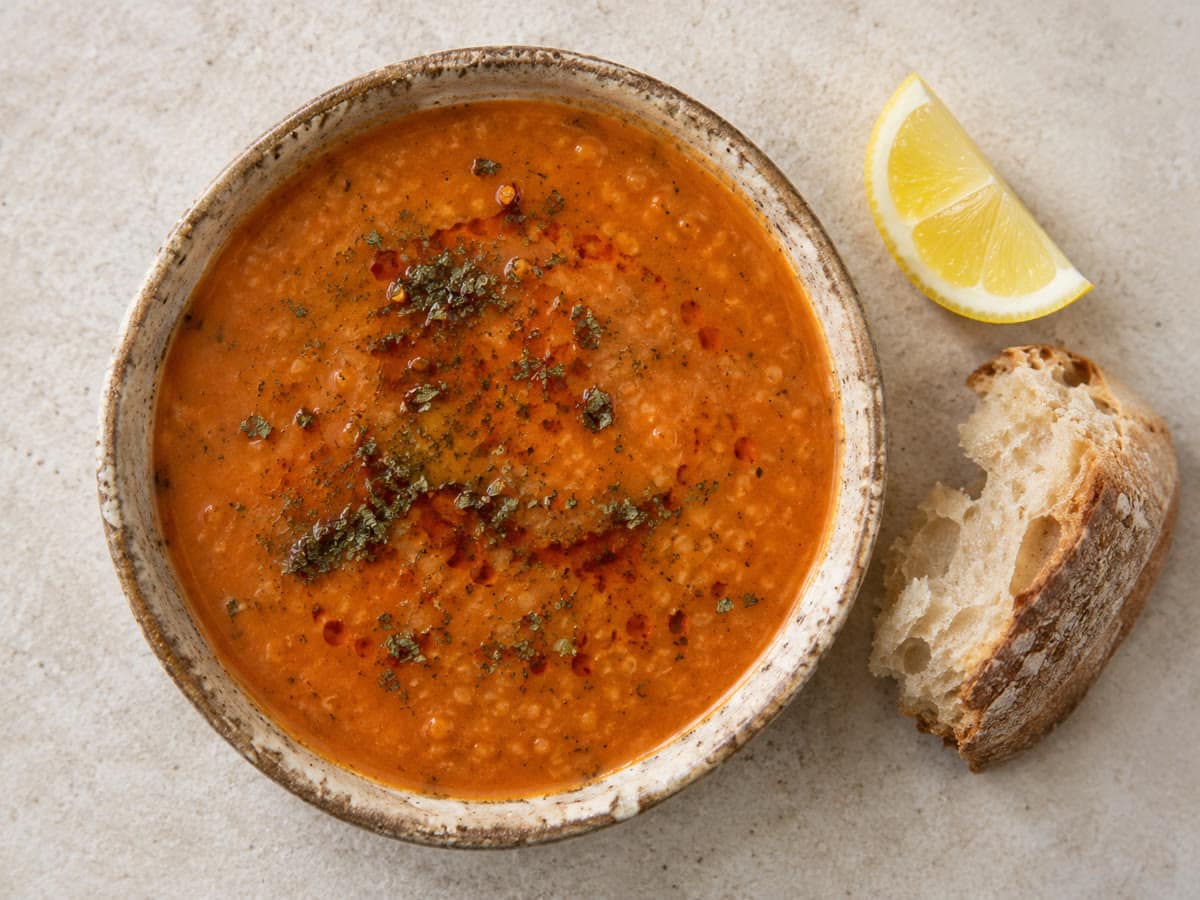
- Pul biber (Turkish chili flakes): a mild, slightly oily, faintly smoky heat; scattered over lentil soup, eggs, or yogurt meze.
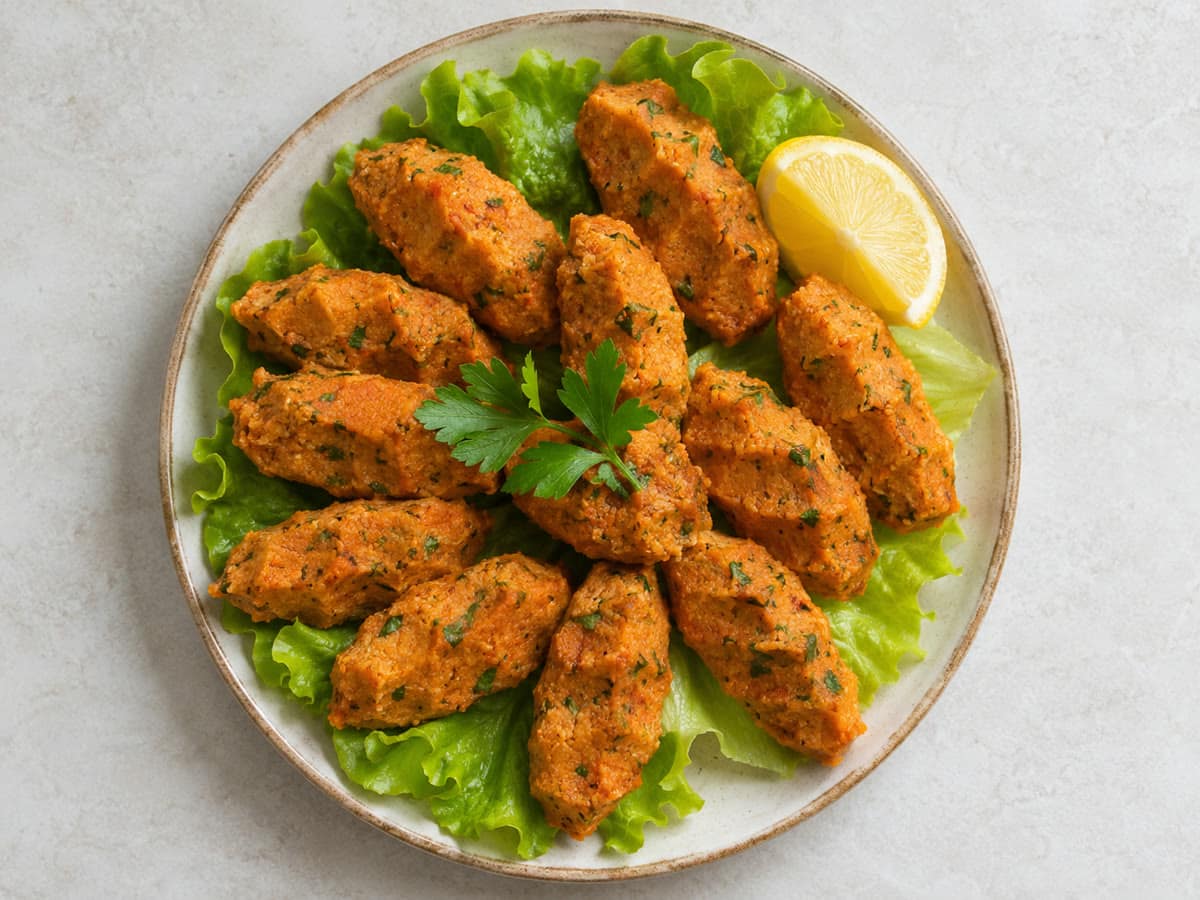
- Cumin: an earthy, warm flavour that pulls the taste of meat and pulses together in meatballs, kebabs and chickpea dishes.
- Dried mint: cool and fresh; it belongs in cacık, yogurt soup, and over fried potatoes or courgette.
- Dried oregano: a dry hillside in a jar; used in olive-oil dressings, on the grill, and with oven-roasted vegetables.
- Paprika or isot: sweet paprika gives colour and a gentle depth, while isot brings a softer, smokier heat to the soups and kebabs of the southeast.
- Sumac: tart and slightly fruity; sprinkled on onion salad, beside kebabs, or over rice.
- Cinnamon: warm and sweet-scented; used in rice pudding and apple desserts, and in a few meat dishes too.
- Bay leaf: leaves a deep, woody note in anything that simmers; added to braises, pulses and pickles, then fished out before serving.
- Coriander or allspice: coriander seed tastes warm with a citrus edge, while allspice reads like cinnamon, clove and pepper together; both go into stuffings and meat dishes.
Storage is half the job
Light, heat and air wear a spice down fastest. A shelf next to the stove is handy, but a jar kept there loses its flavour much sooner. Airtight glass jars in a cool, dark cupboard are a good start. Decanting packets into small jars keeps both the order and the aroma. Do not dip a damp spoon into a jar; moisture causes clumping.
Quantity matters too. Buy only as much as you will finish within a year. A large bag looks cheaper, but half of it will go stale. Small and often keeps spices fresh and makes it easier to try something new.
Fresh or stale?
Two signs tell you a spice has gone past its best: the colour fades and the smell weakens. Rub a pinch between your fingers and sniff; if nothing distinct reaches you, it is just powder now. The same goes for dried herbs: if they crumble to dust in your hand, the flavour has gone. A stale spice is usually harmless, it just tastes of little. If you notice a musty smell, damp, or hard lumps, throw it out (general information).
Whole or ground?
Whole spices usually hold their aroma longer, because the oils that carry the scent meet more air once ground. Buying peppercorns, cumin and coriander whole and grinding as you need them is a good way. Not everyone owns a grinder, though, and then small amounts of ground spice beat a big bag.
There is toasting, too. Turning whole seeds in a dry pan over low heat for about a minute, until they smell, noticeably opens up the flavour. Keep it short: past a minute they start to scorch, and burnt spice will not be rescued by the rest of the dish.
A starting point, not a rule
Ten jars are enough to set up a kitchen, not enough to finish one. In some homes cumin is used daily; in others it never gets opened. Taste and habit decide. Read the list as a suggestion rather than a rule, and build your cabinet around what you cook most.