Most dessert problems I see in home kitchens are not about fancy techniques. They come down to three quiet fundamentals: how far you cook a sugar syrup, giving the finished dessert time to rest, and starting with ingredients at the right temperature. Get these roughly right and even a simple cake or baklava feels more polished. Get them wrong and the best recipe can disappoint.
Sugar syrup: a short, practical map
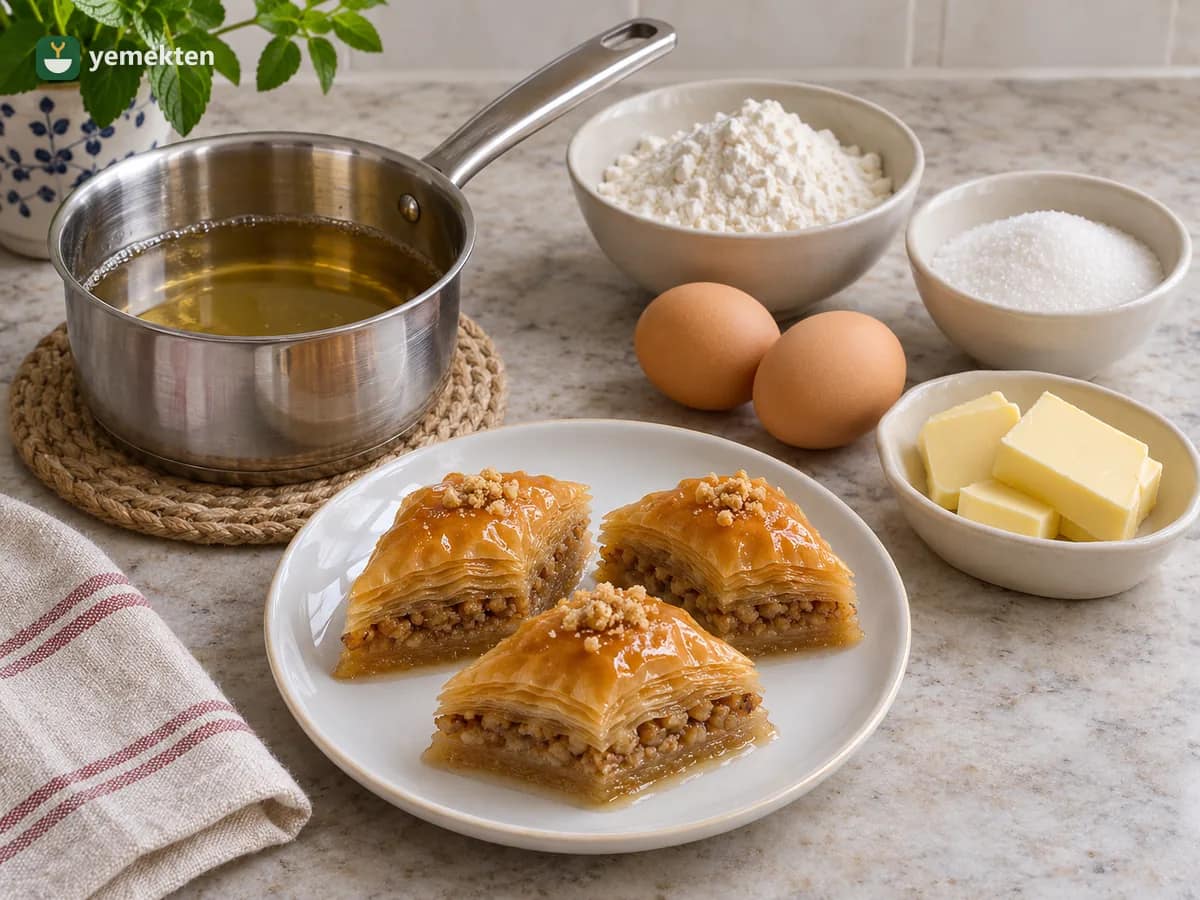
A sugar syrup is just sugar and water heated together, but the ratio and the final temperature change what it does. For soaking desserts such as baklava or revani, I usually use about 300 g sugar to 200 ml water — a slightly thick syrup that coats a spoon but still pours. For poaching fruit or brushing a light glaze, about 200 g sugar to 250 ml water is gentler. Bring it to a simmer, stir only until the sugar dissolves, then stop stirring; stirring a boiling syrup can encourage crystals.
If you have a thermometer, a soaking syrup usually sits around 105–110 °C. Without one, watch the bubbles: they become smaller and slower, and a drop on a cold plate should feel slightly sticky rather than watery. For caramel you are well past this point, usually around 160–170 °C for a golden colour — but that is a different job, and I would keep it for another day.
Why resting matters more than you think
Resting is where a dessert quietly becomes itself. A syrup needs time to travel through layers; a cake needs time for its crumb to settle; a custard needs time to chill and firm. If you cut a warm cake, it often crumbles; if you pour hot syrup onto hot pastry, the layers can collapse. I usually let soaked desserts stand for at least 1–2 hours, and often overnight in the fridge, loosely covered.
- Cakes and sponges: cool in the tin for about 10–15 minutes, then on a rack until barely warm before slicing.
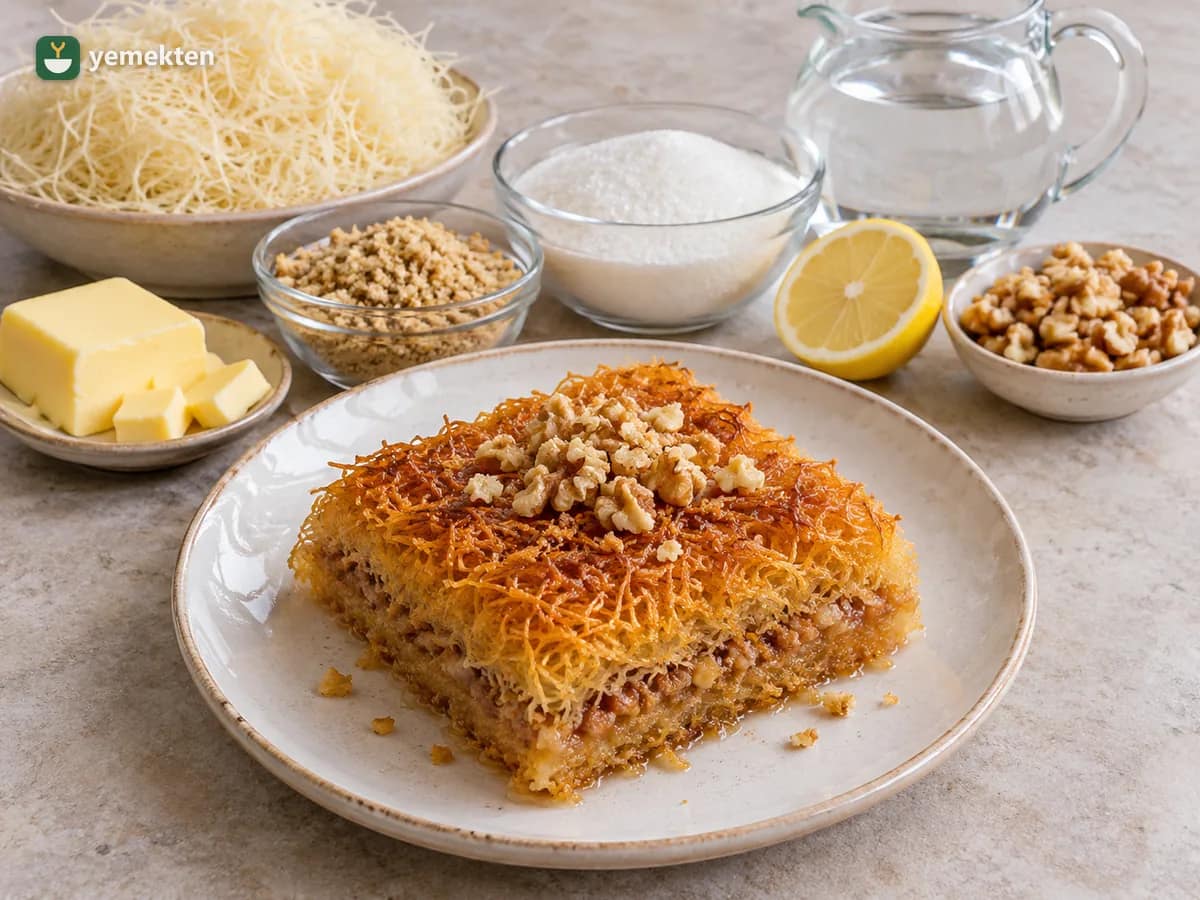
- Syrup-soaked pastries: rest at least 2 hours, ideally overnight, so the syrup distributes evenly.
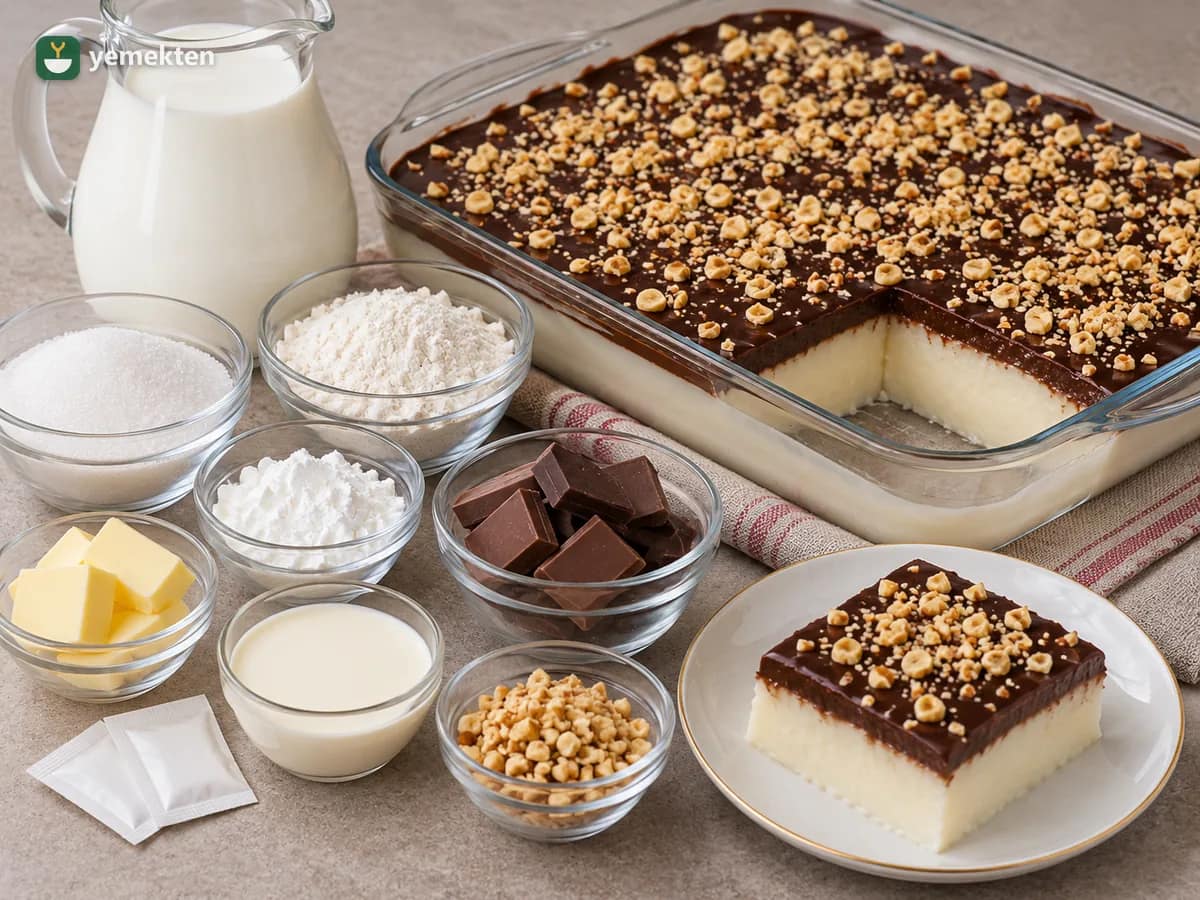
- Custards and cheesecakes: chill for at least 4 hours, often overnight, for a clean slice.
Resting also helps flavour. Vanilla, citrus zest, and spices need time to bloom into the surrounding fat and sugar. A dessert tasted straight from the oven can seem flat; the same dessert the next day often tastes rounder.
Room-temperature ingredients, especially eggs and dairy
Eggs at room temperature whip faster and to more volume than cold ones, and they blend into batters without seizing the fat. Butter for creaming should be soft enough to press, but not greasy — usually about 18–20 °C. Milk and cream straight from the fridge can shock melted butter or chocolate, so I often measure them out 20–30 minutes ahead, or warm them very gently.
Not everything should be warm, though. Whipping cream, puff pastry, and shortcrust are happier cold. The rule of thumb is simple: soften what needs to blend, chill what needs to stay crisp or stable.
Putting it together
A calm sequence helps: read the recipe twice, set out eggs and dairy early, make the syrup while the oven heats, and build in the rest time before you plan to serve. None of this is dramatic, but it is the difference between a dessert that works and one that merely tastes fine.